Bestsellers
ASUS TUF Gaming 27″ 1080P Monitor – Full HD, 165Hz (Supports 144Hz), 1ms, Extreme Low Motion Blur, FreeSync Premium, Shadow Boost, Eye Care, HDMI, DisplayPort, Tilt Adjustable – VG277Q1A,Black
ASUS TUF Gaming 27″ FHD IPS Monitor with 1ms Response Time, Built-in Speakers, Anti-Glare, Flicker Free, AMD FreeSync, 180Hz, Displayport, HDMI & Dockztorm USB Port Expander, Black Color (VG279Q3R)
ASUS TUF Gaming 27” 1080P Monitor (VG279Q3A) – Full HD, 180Hz, 1ms, Fast IPS, Extreme Low Motion Blur Sync, FreeSync Premium, G-SYNC Compatible, Variable Overdrive, 99% sRGB, DisplayPort, HDMI
ASUS TUF Gaming 27” 1440P Monitor (VG27AQL5A) – QHD (2560 x 1440), 210Hz, 0.3ms, Fast IPS, Extreme Low Motion Blur Sync, Speakers, DisplayWidget Center, Gaming AI, Height Adjustment, 3 yr Warranty
ASUS TUF Gaming 27” 4K HDR Monitor (VG27UQ1A) – 160Hz, 1ms, Extreme Low Motion Blur Sync, NVIDIA G-SYNC Compatible, AMD FreeSync Premium, 95% DCI-P3, DisplayWidget, 3 yr Warranty
ASUS TUF Gaming 34” Ultra-Wide Curved Monitor (VG34VQ3B) – 21:9 QHD (3440×1440), 180Hz, 1ms, Extreme Low Motion Blur Sync, FreeSync Premium, Speaker, 90% DCI-P3, DisplayWidget Center, 3 yr Warranty
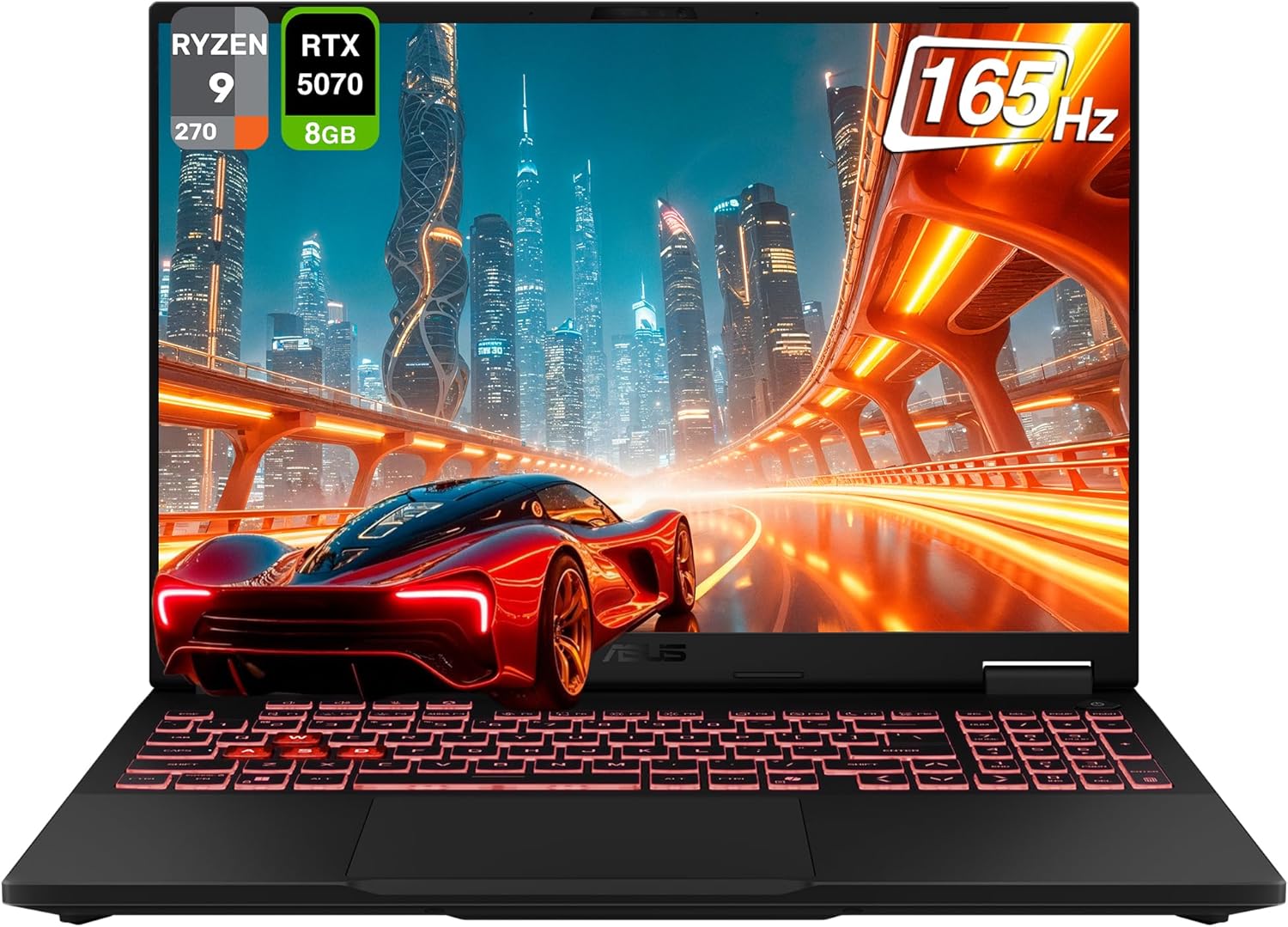
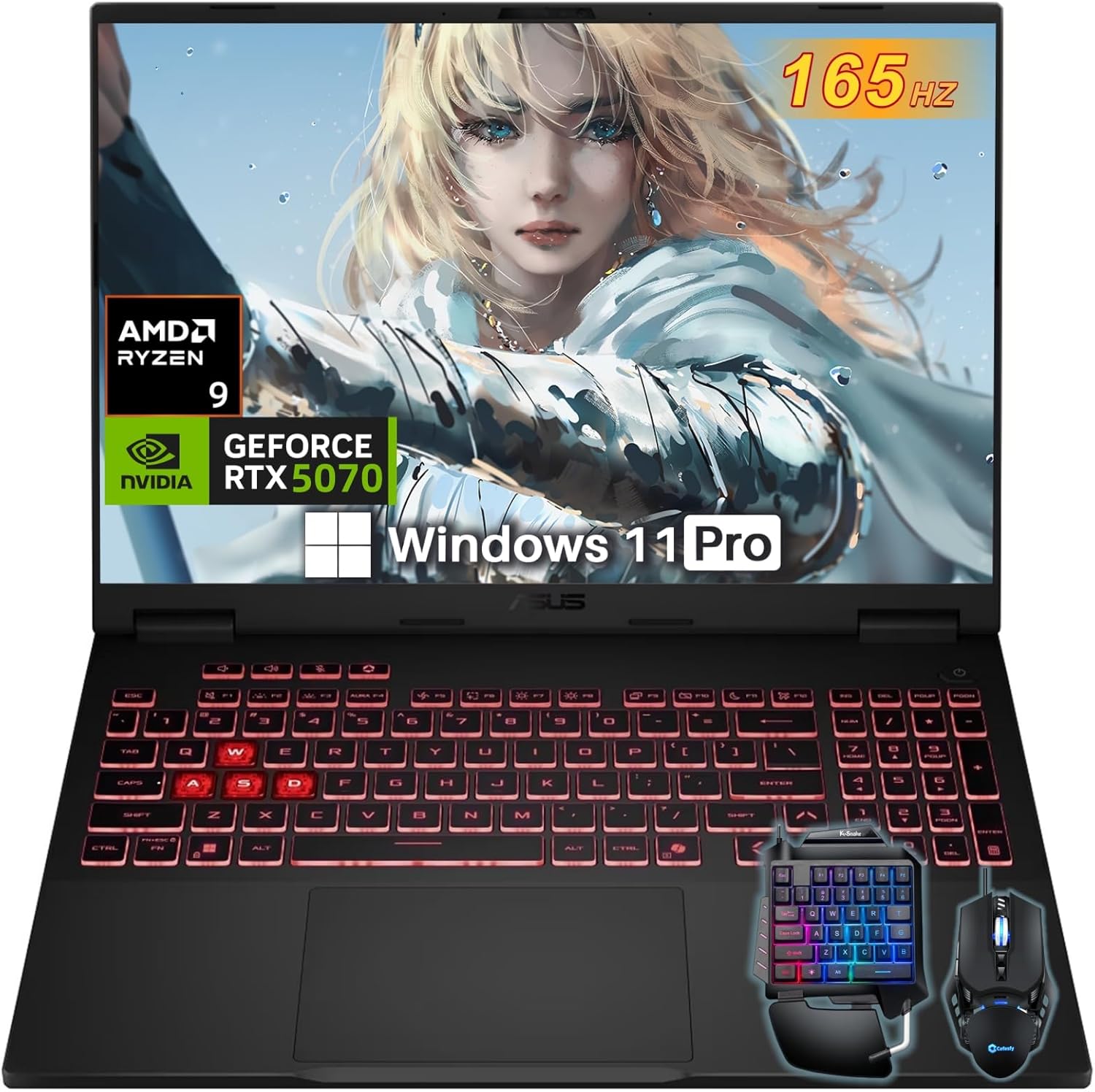
ASUS TUF Gaming A16 Gaming Laptop | 16″ WUXGA IPS 165Hz | AMD 8-Core Ryzen 9 270 | 32GB DDR5 2TB SSD | NVIDIA GeForce RTX 5070 (798 AI Tops) | Backlit Keyboard USB 4 Win11 w/DLCA Accessory
ASUS TUF Gaming F16 (2024) Gaming Laptop, 16” FHD+ 144Hz IPS-Level 16:10 Display, Intel® Core™ 5 210H Processor, NVIDIA® GeForce RTX™ 4050, 8GB DDR5, 512GB PCIe Gen4 SSD, Wi-Fi 6, Windows 11 Home
ASUS TUF Gaming F16 (2025) Gaming Laptop, 16” FHD+ 165Hz 16:10 Display, Intel® Core™ i5 Processor 13450HX, NVIDIA® GeForce RTX™ 5050, 16GB DDR5, 512GB PCIe Gen4 SSD, Wi-Fi 6E, Win 11 Home
ASUS TUF Gaming GeForce RTX ™ 5070 Ti 16GB GDDR7 White OC Edition Gaming Graphics Card (PCIe® 5.0, HDMI®/DP 2.1, 3.125-slot, Military-Grade Components, Protective PCB Coating, axial-tech Fans)
Online store of household appliances and electronics
Then the question arises: where’s the content? Not there yet? That’s not so bad, there’s dummy copy to the rescue. But worse, what if the fish doesn’t fit in the can, the foot’s to big for the boot? Or to small? To short sentences, to many headings, images too large for the proposed design, or too small, or they fit in but it looks iffy for reasons.
A client that’s unhappy for a reason is a problem, a client that’s unhappy though he or her can’t quite put a finger on it is worse. Chances are there wasn’t collaboration, communication, and checkpoints, there wasn’t a process agreed upon or specified with the granularity required. It’s content strategy gone awry right from the start. If that’s what you think how bout the other way around? How can you evaluate content without design? No typography, no colors, no layout, no styles, all those things that convey the important signals that go beyond the mere textual, hierarchies of information, weight, emphasis, oblique stresses, priorities, all those subtle cues that also have visual and emotional appeal to the reader.