


 Fashion for Ladies

10 stunning but small orangery kitchen extension ideas
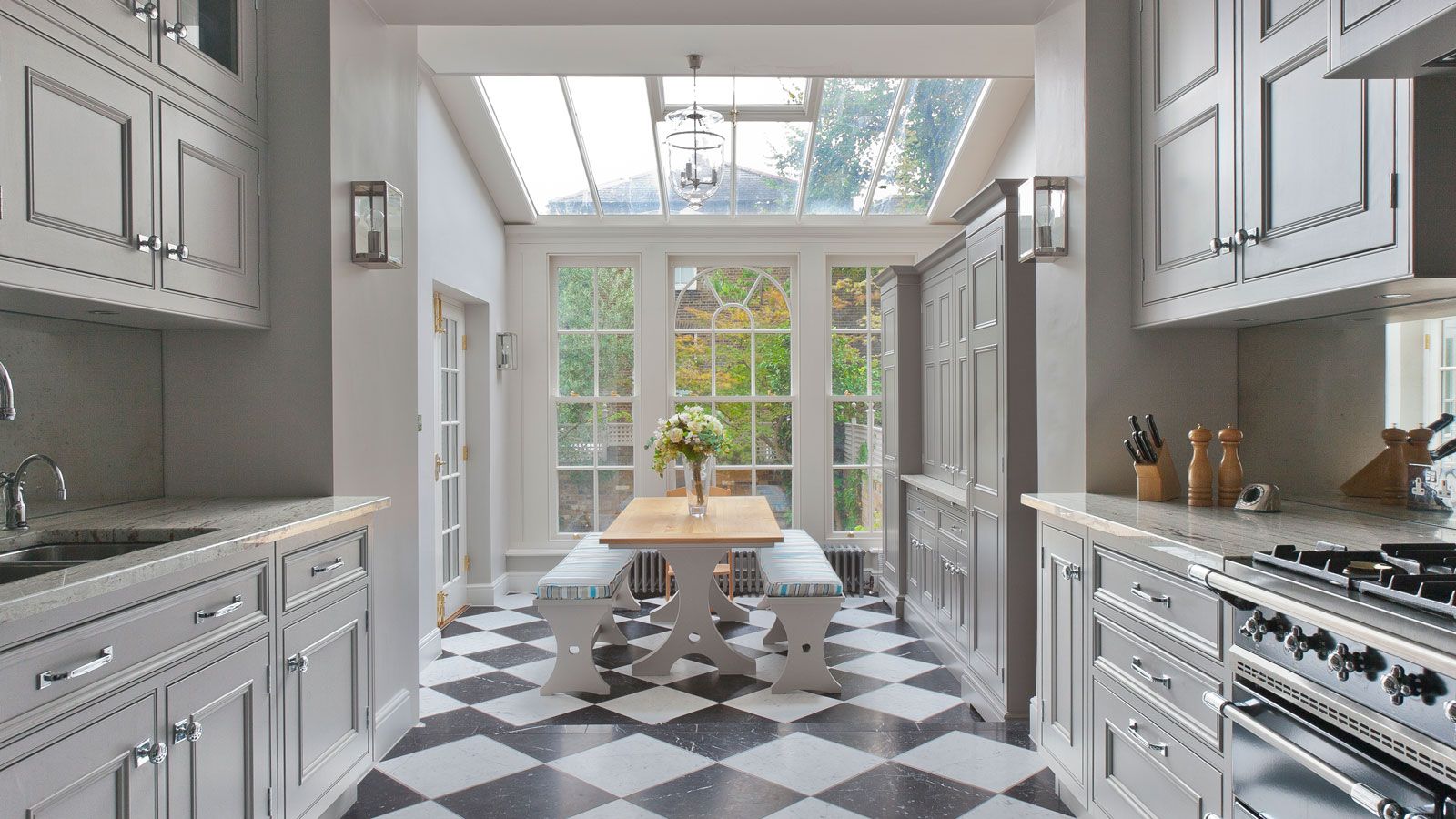
The hunt for small orangery kitchen extension ideas is on the rise, with homeowners increasingly being seduced by all that they offer. If you only have a limited space to play with for your new kitchen, using clever orangery extension ideas is a great way to make the most of it.
“A small kitchen orangery can be a really uplifting space when it’s designed around how it will be used day to day,’ explains Rachel Davis, designer at Harvey Jones. “The natural light they enjoy brings a sense of openness.”
Whether you have an existing orangery that you have earmarked for your new kitchen or are in the process of designing this kind of glazed structure from scratch, we’ve pulled together a collection of some of the most inspiring projects we’ve seen.
1. Opt for a one-wall kitchen layout in a small orangery

“Layout plays a crucial role in making a compact kitchen orangery feel comfortable and purposeful,” picks up Libby Taylor, one of the experts at Vale Garden Houses. “Positioning the working kitchen area where existing services and wall space are available allows the dining or seating zones to sit closer to glazing and garden views.”
Within this classically-styled orangery, by Vale Garden Houses, the dining area is flooded with light from the roof lantern above while the one-wall kitchen design offers maximum practicality without taking up too much floorspace.

Libby is a copywriter at Vale Garden Houses and sister company Architectural Bronze. She has a wealth of experience and strong understanding of all aspects of design and construction for both businesses.
2. Position your kitchen island to make the most of your orangery views

“When cabinetry, appliances and storage are carefully considered alongside light and proportions, this is a space that can feel calm, cohesive and easy to live with,” says Rachel Davis.
In this small kitchen orangery, the vibrant green island sits centrally forming a social hub – when the doors are flung open, the patio becomes an extension of this space.

Rachel Davis
Rachel is a designer with over ten years of experience in the luxury sector. She began her career in fashion and product development before transitioning into kitchen and interior design five years ago with Harvey Jones. Rachel uses a clean and thoughtful aesthetic, creating timeless designs through careful consideration of form, material, and colour, while ensuring functionality and comfort. She believes that each client’s design journey is a collaborative process, creating relaxing homes that reflect their own unique personal style.
3. Enhance a small orangery kitchen with lighting design

In a small orangery kitchen extension, much of the ceiling will be glazed meaning even more care needs to go into thinking about the positioning of artificial light sources.
Within this bright and airy kitchen orangery, by David Salisbury, recessed downlights have been fitted into the solid area of ceiling that forms the perimeter of the roof lantern, while two large pendants have been attached to its apex to light the island.
4. Use your layout to draw the eye to outside

“I encourage clients to think of the orangery as a natural continuation of the kitchen rather than a separate room,” shares Rachel Davis.
It’s a point that Libby Taylor agrees on: “Natural zoning creates a sense of flow and ensures the room remains both practical and inviting, even when space is limited.”
5. Locate your island directly beneath a roof lantern for maximum impact

“One of the most common concerns with smaller kitchen orangeries is temperature control,” says Libby Taylor. “Kitchens already generate heat, and when combined with large areas of glazing, thoughtful design becomes essential.
“Adequate ventilation is key. Opening side windows and roof vents should be incorporated to create a natural through-draught, while discreet extractor fans positioned over cooking areas will help manage heat, moisture and odours,” continues Libby. “The use of low-E glass makes a significant difference, particularly in south- or west-facing rooms. In some cases, opting for a part-glazed or solid roof can provide welcome shade while still allowing light to flood deep into the space.”
6. Be smart with your door choice in a small orangery kitchen

While all the glazing that makes up an orangery naturally gives you a sense of being connected to your outdoor spaces, you still need to think through the types of patio doors that will work best to physically open it up to the garden.
This orangery was added as part of the renovation and extension of a tired Edwardian house that previously had a gloomy, unappealing kitchen. It has replaced a muddled old extension that was doing nothing to create connection with the garden.
Large French doors were selected to open up the space to the newly landscaped garden which sits at a lower level to the house.
7. Stick to a monochrome palette for an even brighter space

This bright and breezy kitchen features a light-toned colour palette made up of white cabinetry, pale walls and a grey marbled worktop and splashback.
Think your kitchen flooring ideas through carefully too – they need to be practical as well as stylish. The pale wooden flooring used in this kitchen-diner helps to create a sense of space and openness.
8. Use your small orangery as a spot to eat

If you are using your small orangery for a kitchen diner, it makes sense to locate the dining spot within the main body of the glazed space where you can sit and enjoy garden views while you eat.
This type of layout also makes sense from a practical point of view. Kitchens require solid walls for the cabinets and services and so work best when located towards the rear of the space in the original house. In fact, the ratio between solid walls and glazing needs to be planned out really carefully.
“It is really important to ensure there is enough solid wall within the design to accommodate kitchen cabinetry and appliances,” says Libby Taylor. “While floor-to-ceiling glazing may look appealing, a kitchen needs practical surfaces.
“Many successful schemes combine generous glazing with solid walls or raised dwarf walls, often increasing wall heights to around 900mm to allow for base units, sinks or cooking stations. Kitchen islands are also invaluable in smaller spaces, providing additional storage and preparation areas without relying solely on wall space, while also doubling as informal seating for family or guests.”
9. Connect spaces with a small orangery link

If you love the idea of creating a glass link extension to join together the original section of your house with a new addition or converted outbuilding, an orangery could just be the solution you have been after. Not only can they add a beautiful and unexpected dimension, but they are also practical spaces in which to locate a kitchen.
Glass links need not function only as corridors and, if you are limited in terms of space, it makes sense to use yours for more than simple circulation.
This charming link-style orangery is the perfect addition to the period property it sits within, providing through-views from front to back.
10. Continue the experience outdoors with an orangery patio

For a really stunning finish to your kitchen orangery and to visually expand the space, why not mirror its design within your patio ideas?
This charming partially-glazed pergola provides an indoor-outdoor spot under which to linger and enjoy the garden, sheltered from the elements and sits beautifully alongside the orangery kitchen it leads off from.
Keeping any kind of structure like this light of form and open is important to ensure you don’t block any light from entering your orangery space.
FAQs
Do you need planning permission for a small orangery kitchen extension?
Although some orangeries will fall under permitted development, others will require planning permission so it is worth double checking with your local planning office.
“Even small kitchen orangery extensions can attract a more involved planning process than a traditional conservatory,” explains Libby Taylor. “While some projects may fall within permitted development rights, kitchens often require more substantial alterations to the existing house. Structural works such as removing walls, installing steel supports, and extending heating, drainage and electrical systems will require building regulations approval, regardless of whether planning permission is needed.
“Properties that are listed or located within conservation areas will typically require planning consent, and it is always advisable to seek professional advice early in the process to understand what is achievable within local guidelines,” adds Libby.
Is there a minimum size for a small orangery kitchen?
While you might be desperate to locate your kitchen in an orangery extension, there is no point trying to shoehorn one into a space that is just too tiny – but how small is too small?
“There is no defined minimum size for a kitchen orangery – usability is determined by proportion rather than square footage alone,” says Libby Taylor. “A successful kitchen orangery must comfortably accommodate the essential functions of cooking, preparation and storage, while allowing safe circulation and adequate ventilation.
“Smaller kitchen orangeries can work beautifully when the design prioritises function over excessive glazing,” continues Libby. “Ultimately, it is the quality of the design, rather than the size of the room, that determines its success.”
If you love the idea of a small orangery kitchen extension but are concerned about costs and the possibility of having to apply for planning permission, kitchen conservatory extensions could be a more straightforward option.